Fire-Resistant Roofing Services in the West Denver Metro Area
Capitol Roofing and Solar installs specialized Class A fire-resistant roofing systems tailored to the high-wind, wildfire-prone environments of Golden, Boulder, Jefferson County, and the West Denver Metro area.
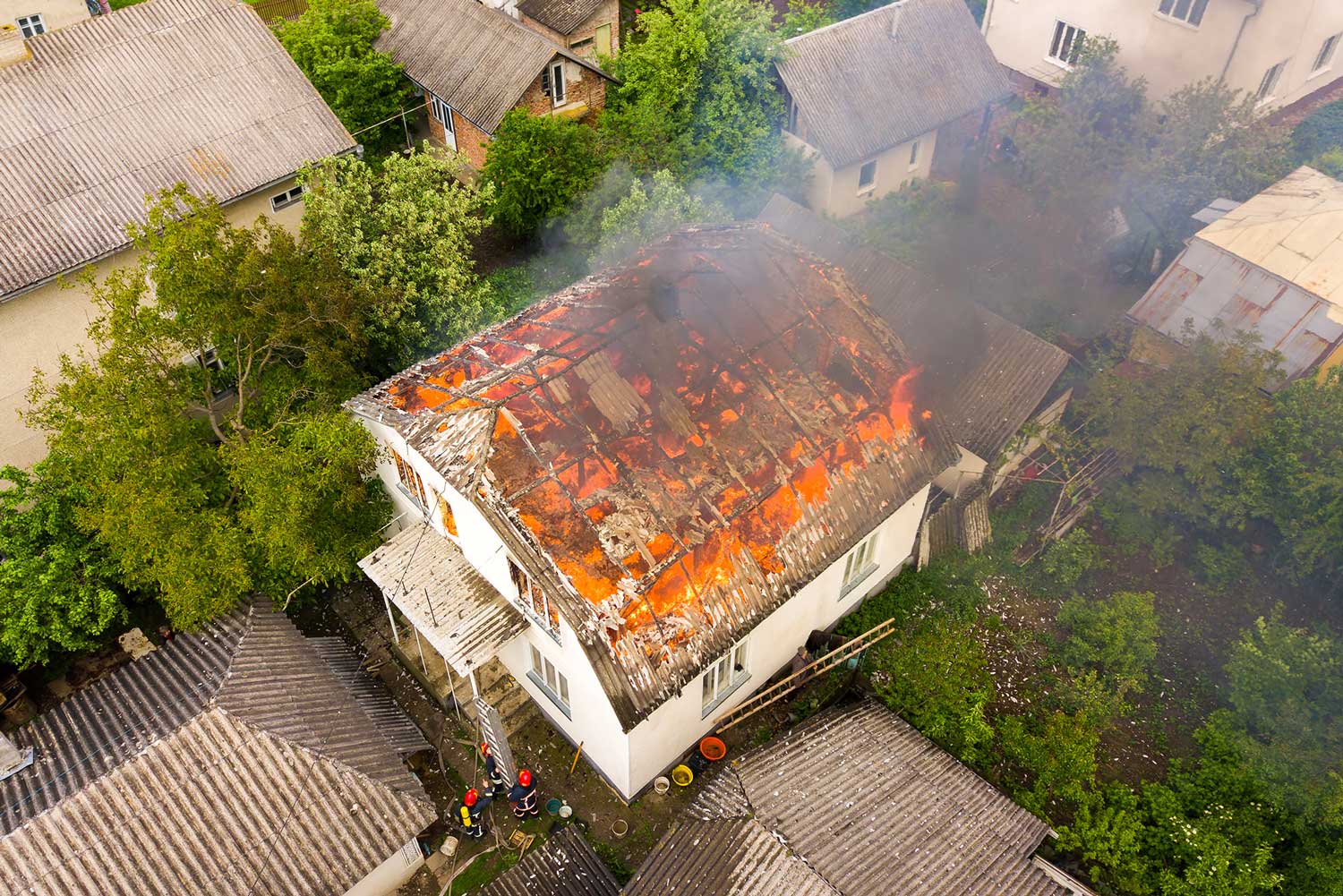
In Colorado's Front Range, a roof is far more than a shield against mountain snow and summer hail. It serves as your home's primary barrier against wind-driven wildfire embers. During severe wildland fires, airborne embers can travel miles ahead of the actual flame front, landing on roofs, accumulating in valleys, and drifting into unprotected gaps. If your roof covering or underlayment is combustible or deteriorating, a single glowing ember can ignite the entire structure within minutes.
Capitol Roofing and Solar provides wildfire hardening solutions such as installing specialized Class A fire-resistant roofing systems tailored to the high-wind, wildfire-prone environments of Golden, Boulder, Jefferson County, and the West Denver Metro area. Founded by Matt Moomaw, a former U.S. Forest Service wildland firefighter and San Juan Hotshot, our company approaches every roofing project with practical, field-tested wildfire defense knowledge.
We combine top-tier fire-rated materials, fire-proof underlayment barriers, and precise installation techniques to ensure your home meets or exceeds local Wildland-Urban Interface building codes.
What Makes a Roof Assembly Truly Fire-Resistant?
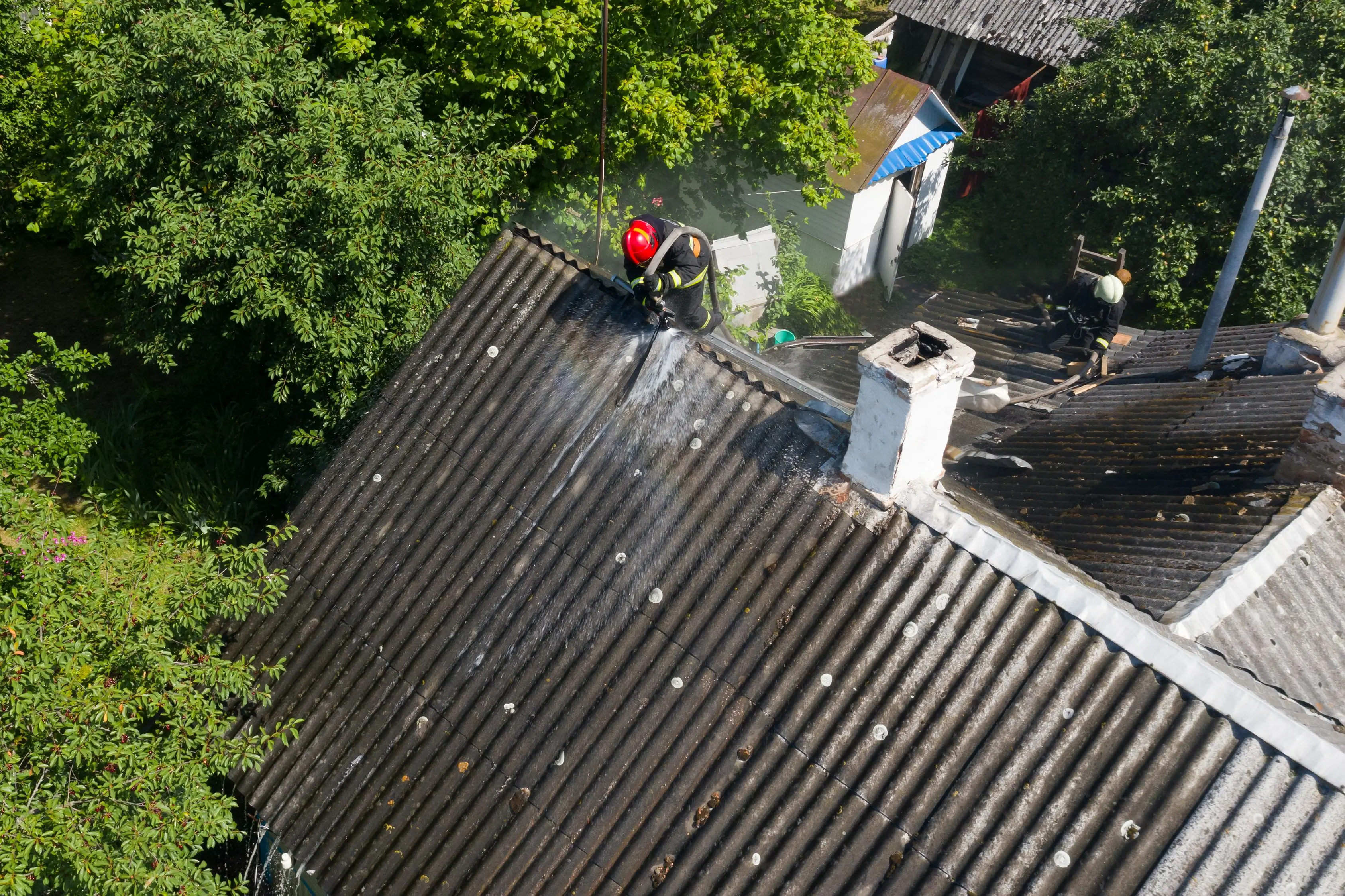
A fire-resistant roof is not defined solely by the material on the surface. True wildfire resistance requires an integrated roof assembly where every layer—from the structural roof deck up to the ridge cap—works in unison to withstand extreme heat and prevent ignition.
The industry evaluates roofing safety using fire resistance ratings established by testing organizations such as Underwriters Laboratories (UL) and ASTM International (UL 790 / ASTM E108). These tests subject roofing materials to direct flame exposure, severe intermittent flames, and burning brand tests designed to simulate falling wildfire debris under high winds.
Class A Fire-Rated Roof Assemblies & Materials
Class A Surface Material
The exterior shield composed of high-grade asphalt, metal panels, concrete tile, or stone-coated steel designed to resist surface flame ignition.
Noncombustible Cap and Metal Flashing
Heavy-gauge drip edges, metal bird-stops, and flashing assemblies that seal every outer edge and structural seam.
Class A Rated Underlayment
A high-temperature, self-adhered ice-and-water shield membrane that forms a secondary fire-resistant barrier across the decking.
Solid Structural Sheathing
Heavy-duty 5/8-inch exterior plywood or OSB decking that provides stable, non-yielding support beneath the protective layers.
Comparing Residential Roof Fire Ratings: Class A, B & C
Class A Rating
The highest fire rating achievable. Class A roof assemblies demonstrate maximum resistance to severe fire exposure. They do not ignite easily, prevent flame spread across the surface, and hold up under heavy burning brand tests. All residential roofs installed by Capitol Roofing and Solar in WUI zones utilize Class A rated materials and complete assemblies.
Class B Rating
Provides moderate fire protection under medium fire exposure. While effective in low-risk urban areas, Class B roofs fall short of the protection required in Colorado's foothill communities.
Class C Rating
Offers light fire protection against light fire exposure. Typical examples include treated wood shingles or basic roll roofing. These materials offer minimal resistance against intense Front Range ember showers.
Unrated Roofing
Materials such as untreated wood shakes or low-grade plastics offer zero fire resistance. Untreated wood shake roofs act as fuel during a wildfire and are widely prohibited under local municipal codes.
Fire-Resistant Roofing Replacement Options in Golden, CO
Capitol Roofing and Solar offers a wide variety of Class A fire-rated roofing materials designed to match the architectural aesthetic of your neighborhood while delivering superior defense against wildfire and Front Range weather.
Class A Architectural Asphalt Shingles
Modern fiberglass-based asphalt shingles are among the most popular and cost-effective fire-resistant roofing choices available. Standard organic felt shingles of the past were highly flammable, but modern architectural shingles utilize a woven fiberglass mat coated with mineral-armored asphalt that resists surface ignition.
- Heavyweight Composition
Multi-layer dimensional shingles offer increased resistance to high winds and burning embers compared to basic 3-tab options.
- Class 4 Impact Resistance Options
Many Class A asphalt shingles also carry Class 4 impact ratings, providing double protection against both wildfire embers and severe Front Range hail storms.
- Synthetic Underlayment Compatibility
Installed over specialized high-temperature synthetic underlayments to complete a fully certified Class A assembly.
Standing Seam and Metal Roofing
Metal roofing delivers exceptional fire resistance, extreme longevity, and superior wind uplift performance along the windy foothill slopes of Golden and Boulder.
- Noncombustible Surface
Steel, aluminum, and copper roofing panels will not ignite, burn, or fuel a wildfire.
- Shedding Debris
The smooth surface of metal roofing prevents pine needles, dry leaves, and blown embers from accumulating on the roof surface.
- Concealed Fastener Systems
Standing seam metal roofs feature interlocked seams with concealed mechanical fasteners, leaving no exposed screw holes or rubber washers where heat or embers could compromise the seal.
- Stone-Coated Steel Shingles
For homeowners who want the look of traditional slate, wood shake, or tile with the fireproof durability of metal, stone-coated steel offers a Class A rated, lightweight alternative.
Concrete and Clay Tile Roofing
Concrete and clay tiles are completely noncombustible and offer incredible thermal insulation during a wildland fire. However, proper eave installation is critical to their performance.
- Fire-Proof Material
Concrete and clay tiles easily withstand direct flame contact and extreme radiant heat.
- Mandatory Eave Closures (Bird-Stops)
Because tile roofs feature curved profiles, wind-blown embers can easily drift into the hollow gaps beneath the bottom row of tiles. We install metal or noncombustible eave closures (bird-stops) to completely seal these openings and keep embers away from the wooden roof deck.
- Structural Considerations
Concrete tiles require substantial structural support. Capitol Roofing and Solar verifies framing capacity before installing heavy tile systems.
Class A Composite and Synthetic Slate/Shake
Engineered synthetic roofing tiles crafted from advanced polymers, rubber, and recycled materials replicate the natural beauty of real cedar shakes or natural slate without the associated fire hazards.
- Authentic Aesthetic with Class A Protection
Delivers the timeless look of natural wood shakes or quarried slate while achieving a UL Class A fire rating.
- Lightweight and Durable
Synthetic tiles do not absorb moisture, freeze-thaw crack, or rot over time, making them ideally suited for cold, high-altitude winters.
Critical Fire-Hardening Details in Roof Construction
A fire-resistant surface material is only half the battle. Wildfire defense fails when small details are overlooked during installation. Capitol Roofing and Solar applies precise construction methods to protect every vulnerable junction of your roof frame.
Fire-Resistant Underlayments and Ice & Water Shield
The underlayment acts as your roof's final secondary defense line. If high winds displace a surface shingle or tile during a storm, a fire-resistant underlayment prevents wind-driven embers from reaching the wooden roof decking.
We install heavy-duty, self-adhering fiberglass-reinforced or rubberized ice-and-water membranes along all roof eaves, rafter tails, valleys, and sidewalls. These membranes create a watertight and ignition-resistant seal directly against the plywood sheath.
Metal Drip Edges and Flashing Systems
Gaps along the edges of a roof allow embers to enter the fascia, rafter bays, and attic space.
- Heavy-Gauge Metal Drip Edges
We install continuous metal drip edges extended over the gutters along all eaves and rakes, bridging the gap between the roof covering and the fascia board.
- Step and Apron Flashing at Roof-to-Wall Joints
Where roof planes meet vertical walls, dormers, or chimneys, noncombustible metal step and apron flashings are woven directly into the roofing layers to stop ember intrusion behind siding. For maximum wildfire protection, these flashings work especially well alongside fire-resistant siding installation, helping create a more resilient exterior envelope that reduces opportunities for ember intrusion.
Fire-Resistant Valley Construction
Roof valleys accumulate debris such as pine needles, twigs, and leaves shed by nearby trees. During a wildfire, ember showers ignite this trapped debris, generating localized heat concentrations directly over the roof structure.
- Closed and Open Metal Valleys
We line all roof valleys with heavy-gauge pre-finished metal flashing over a double layer of high-temperature self-adhered ice-and-water shield.
- Debris Clearing Design
Our valley designs promote swift shedding of pine needles and snow, preventing flammable organic material from building up.
Sealed Ridge Caps and High-Wind Fastening
High-velocity chinook winds along the Front Range can tear off roof coverings during a fire event, exposing bare wood deck boards to active flames.
- High-Wind Nailing Patterns
We enforce strict six-nail application standards and high-wind installation protocols on all shingle installations.
- Noncombustible Ridge Closures
Ridge vents are fitted with specialized flame- and ember-resistant baffle materials that maintain continuous attic airflow while blocking wind-blown sparks.
Benefits of Installing a Fire-Resistant Roof
Upgrading to a certified Class A fire-resistant roofing assembly offers long-term financial and physical protections for Front Range homeowners.
Maximum Wildfire Protection
Residential home hardening dramatically increases the likelihood of your home surviving a passing wildfire or neighborhood ember storm.
Insurance Preservation and Discounts
Many major insurance carriers in high-risk foothill zip codes now mandate Class A fire-rated roofs for policy renewals. Installing a certified roof helps retain property insurance and can lead to premium discounts.
Enhanced Hail and Storm Resistance
Most Class A fire-rated roofing materials also carry superior wind ratings (up to 110-130 mph) and Class 4 impact resistance, standing up against severe summer hail.
Increased Property Value
A fully fire-hardened exterior increases marketability and home value, providing immediate confidence to prospective buyers in foothill communities.
Strict Building Code Compliance
Fully satisfies current Wildland-Urban Interface (WUI) standards across local building departments.
How to Tell If Your Current Roof Is Vulnerable
Front Range homeowners should regularly evaluate their roof for potential wildfire vulnerabilities. You should schedule a professional roof inspection if you observe any of the following warning signs:
Untreated Cedar Shake Roofing
Natural wood shakes dry out under Colorado's intense sun, becoming prime fuel for floating embers.
Roof Age Exceeding 15 to 20 Years
Older asphalt shingles lose protective mineral granules over time, exposing the underlying organic felt backing to potential ignition.
Missing or Damaged Flashing
Loose, corroded, or missing metal flashing around chimneys, skylights, and side walls creates open pockets where embers can lodge.
Exposed Eave Gaps
Unsealed spaces beneath tile roofs or open rafter tails without metal drip edges provide direct paths into attic spaces.
Accumulated Valley Debris
Valleys, gutters, or roof crickets that collect heavy piles of pine needles and leaves signal an ignition hazard during dry fire seasons.
Missing Ice and Water Underlayment
Older roofs installed before modern building codes often lack self-adhered fire barrier underlayment beneath the surface layer.
FAQs About Fire-Resistant Roofing
What is the highest fire rating available for a residential roof?
Class A is the highest fire resistance rating available for residential roofing. Materials and full assemblies tested to Class A standards provide superior protection against severe fire exposure, resisting flame propagation, flame penetration, and burning brand tests under high wind conditions.
Can I install Class A shingles directly over my old roof layers?
While some building codes permit a second layer of shingles, Capitol Roofing and Solar strongly advises against reroofing over old materials in high-risk wildfire zones. A complete tear-off allows our team to inspect the wood deck, replace damaged sheathing, and install continuous fire-resistant ice-and-water underlayment and drip edge metal across the entire roof plane.
Are metal roofs more fire-resistant than Class A asphalt shingles?
Both materials can achieve a Class A rating when installed as part of a complete assembly. However, metal roofs offer additional advantages: they are completely noncombustible, feature smooth surfaces that shed dry pine needles easily, and carry no risk of burning brand ignition.
Do local building codes require Class A roofing in Golden and Boulder?
Yes. Municipalities across Boulder County, the City of Boulder, Golden, Arvada, Lakewood, and unincorporated Jefferson County strictly enforce Wildland-Urban Interface (WUI) building codes. These regulations mandate Class A roof assemblies for all new construction and full roof replacements.
How long does it take to replace a roof with a Class A fire-hardened assembly?
Most standard residential roof replacements are completed in 1 to 2 days. Complex roof shapes, steep foothill pitches, or heavy concrete tile installations may take 2 to 3 days. Capitol Roofing and Solar manages all permits, inspections, and clean-up from start to finish.
Schedule Your Wildfire Mitigation Roof Assessment
Protecting your home against Front Range wildfire risks requires proven materials, strict code compliance, and experienced craftsmanship. Serving Golden, Boulder, and the West Denver Metro area since 2013, Capitol Roofing and Solar delivers transparent evaluations, precise estimates, and uncompromised quality.
Contact our local team today to schedule your comprehensive on-site roof inspection and fire-hardening consultation.
Protect Your Home with a Strong, Reliable Roof
Our expert team is ready to help with everything from new installations to repairs and maintenance. Get in touch today to schedule a free consultation.