Home Wildfire Hardening Services in the West Denver Metro Area
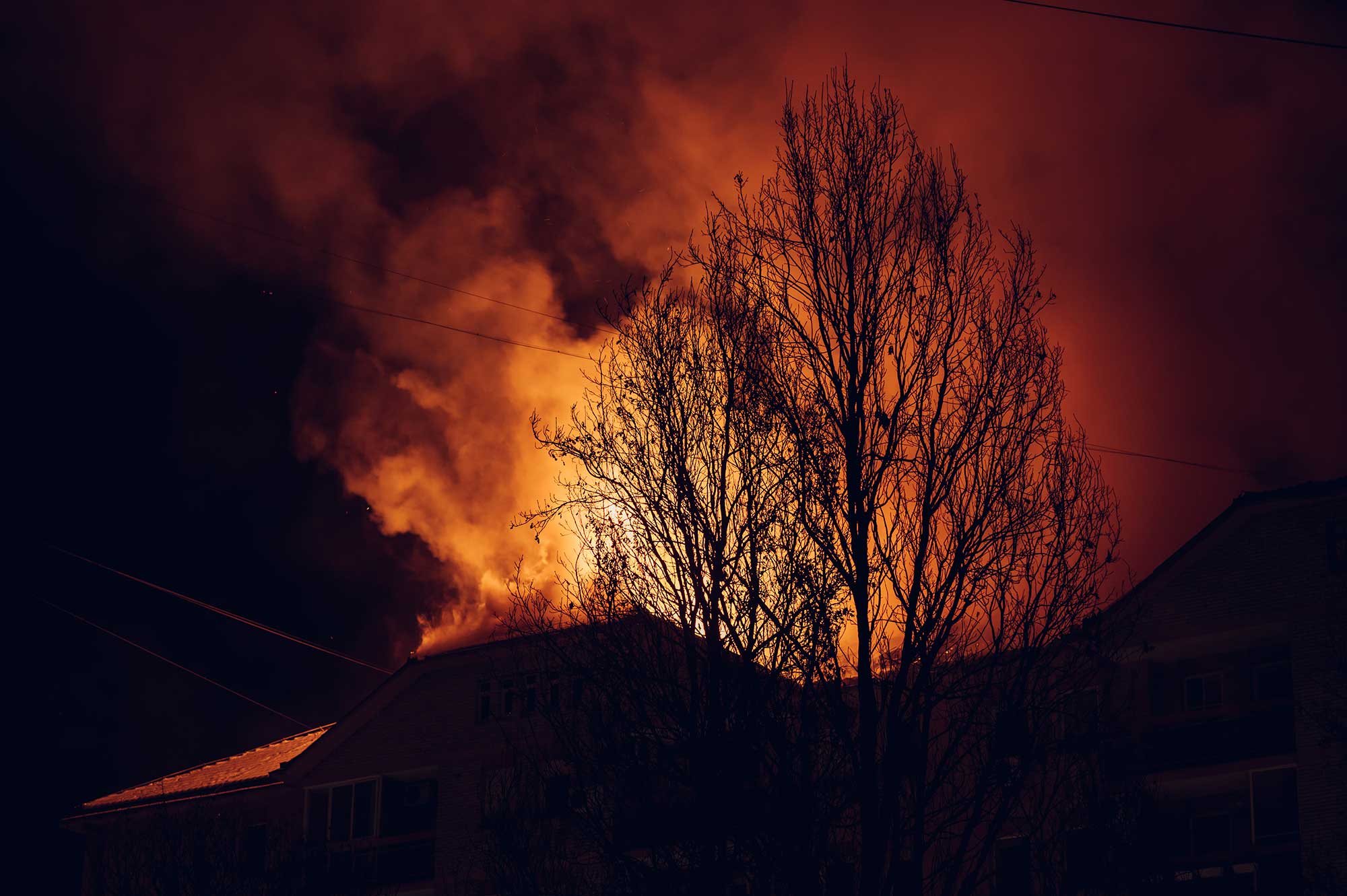
Wildfire defense in Colorado starts at the roofline and exterior perimeter. Wind-blown embers travel miles ahead of an active fire, landing on roofs, drifting into attic vents, and igniting combustible siding or debris-filled gutters. For homeowners along the Front Range, protecting a home against wildfire requires specialized materials and tactical installation practices built to withstand intense heat and ember storms.
Wildfire defense in Colorado starts at the roofline and exterior perimeter. Wind-blown embers travel miles ahead of an active fire, landing on roofs, drifting into attic vents, and igniting combustible siding or debris-filled gutters. For homeowners along the Front Range, protecting a home against wildfire requires specialized materials and tactical installation practices built to withstand intense heat and ember storms.
Capitol Roofing and Solar provides fire-hardening solutions designed for the unique climate, winds, and building codes of Golden, Boulder, Jefferson County, and the West Denver Metro area. Founder Matt Moomaw brought firsthand wildfire knowledge to the business after serving as a wildland firefighter with the U.S. Forest Service and the San Juan Hotshots. That experience guides every installation, making sure your roof, siding, and exterior systems are engineered to resist ignition when wildland fires threaten local neighborhoods.
What Is Total Home Wildfire Hardening?
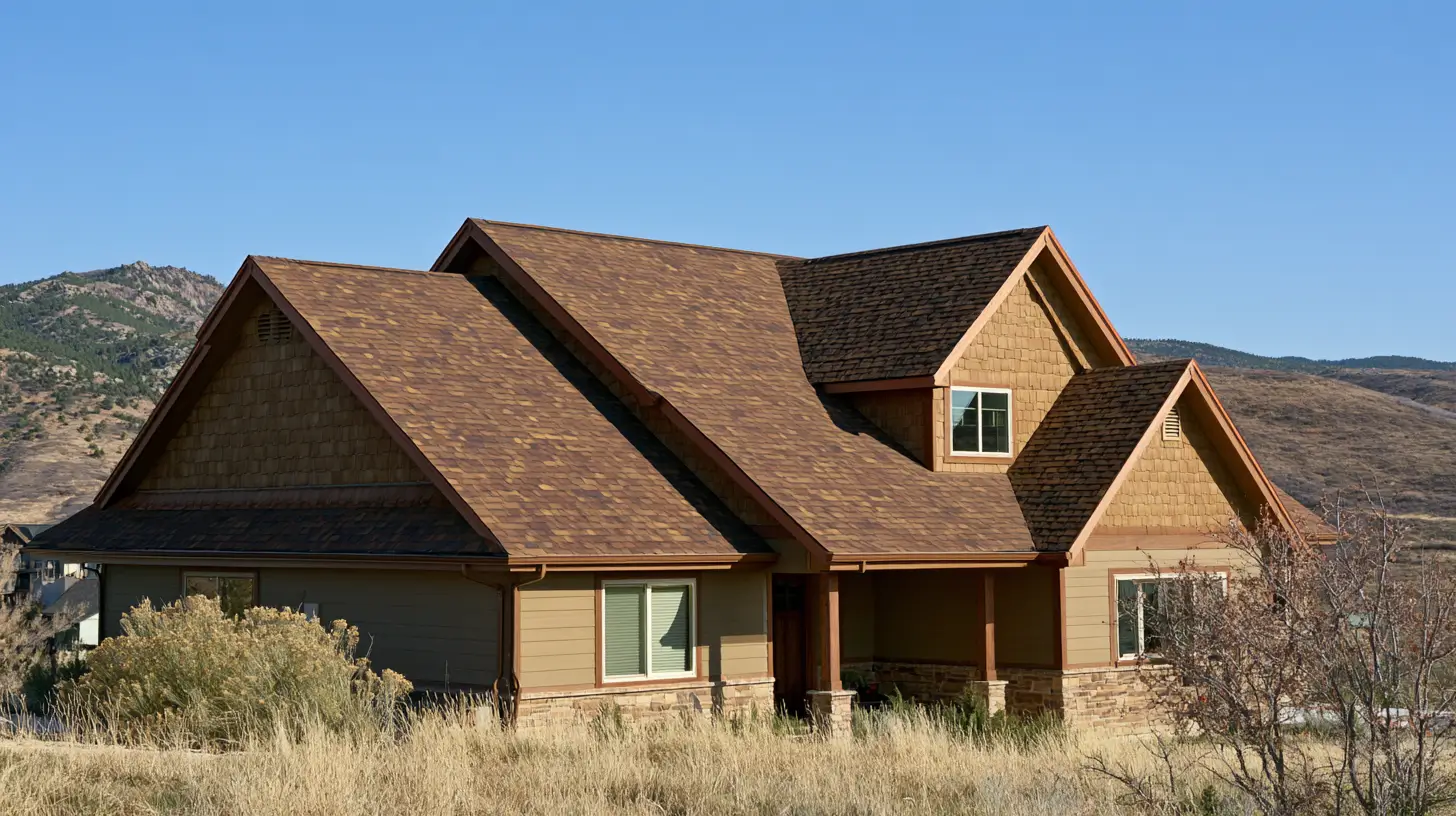
Wildfire hardening is the process of retrofitting or constructing a home using ignition-resistant materials, fire-rated assemblies, and ember-proof structural details. Rather than relying solely on vegetation management, structure hardening focuses on the building envelope itself.
During major Front Range fires, up to 90 percent of homes are destroyed by windblown embers rather than direct flame contact. Embers get sucked into standard attic vents, lodge under roof tiles, or ignite dry pine needles trapped in vinyl gutters. Fire hardening eliminates these vulnerable entry points, giving your home the structural defense needed to survive a wildfire passing through the area.
How a Complete Wildfire Hardening System Protects Your Golden Property
Class A Roof Covering and Noncombustible Cap
The top barrier against direct ember fall and intense thermal radiation.
Ember-Resistant Vents
Corrosion-resistant 1/8-inch mesh or specialized internal baffles that block airborne embers while maintaining proper attic ventilation.
Soffit and Eave Seals
Enclosed, noncombustible structures that stop heat and flames from entering the roof frame.
Fiber Cement Siding
Class A fire-rated wall panels installed with a minimum 6-inch clearance from the ground to prevent crawling ember ignition.
Noncombustible Metal Gutters
Steel or heavy-gauge aluminum gutter systems with metal leaf guards that shed pine needles and prevent melting.
Comprehensive Wildfire Hardening Solutions for Golden, CO Homes
Fire Hardening for Roofs
The roof is the largest horizontal surface on your home and receives the highest volume of falling embers during a wildfire. A complete fire-hardened roofing assembly goes far beyond the surface layer.
- Class A Fire-Rated Roof Covers
Installation of high-grade Class A asphalt shingles, standing seam metal, concrete tile, or stone-coated steel designed to resist intense thermal radiation and surface ignition.
- Fire-Resistant Underlayments
Heavy-duty synthetic or rubberized ice-and-water shield membranes applied directly to the decking to form a secondary fire barrier.
- Metal Flashing and Bird-Stops
Flashing at roof-to-wall intersections, chimneys, and skylights, paired with metal eave closures (bird-stops) on tile roofs to block embers from slipping underneath.
- Valley Protection
Metal-lined roof valleys sealed with ice-and-water underlayment to prevent accumulated pine needles and embers from starting hidden structural fires.
Fire Hardening for Siding
When radiant heat from burning vegetation reaches a house, standard vinyl siding melts quickly, exposing wood framing. Combustible wood siding can catch fire from low-lying ember beds. Ignition-resistant siding prevents fire from penetrating the interior shell.
- Fiber Cement Siding
Engineered cement and cellulose fiber panels that achieve a Class A fire rating, resisting flames, extreme radiant heat, and rot.
- Stucco and Metal Panel System
Noncombustible continuous cladding for homes built on high-wind foothill slopes or near dense brush.
- Ground-Clearance Modifications
Installing noncombustible skirting or maintaining a minimum 6-inch vertical gap between ground soil/mulch and the bottom of the siding to stop crawling ember fires.
Fire Hardening for Exterior Systems
Roofing and siding work best when paired with fully secured exterior accents and structural transitions.
- Ember-Resistant Attic Vents
Replacing standard attic and gable vents with specialized vents featuring corrosion-resistant 1/8-inch noncombustible wire mesh or internal baffles that block embers while preserving roof airflow.
- Noncombustible Metal Gutters and Downspouts
Fire-resistant gutter and exterior systems like heavy-gauge aluminum or steel gutters installed with heavy-duty metal hangers, eliminating melting vinyl gutters and protecting eave boards.
- Gutter Covers and Leaf Guards
Metal gutter guards designed to shed dry pine needles, oak leaves, and twigs so windblown embers cannot land in combustible debris.
- Soffit and Eave Enclosures
Enclosing open rafter tails with noncombustible soffit panels to block rising heat and embers from entering the roof structure.
- Roof-to-Deck Connections
Installing noncombustible metal flashing where wooden decks, fences, or pergolas join the main house structure to break the chain of fire transmission.
Benefits of Wildfire Hardening Your Exterior Structures
Ember Protection
Keeps wind-driven embers out of attic spaces, wall cavities, and underlayment layers.
Insurance Compliance
Helps meet strict underwriting requirements from carriers in high-risk foothill zip codes.
Code Compliance
Wildfire hardening fulfills local Wildland-Urban Interface (WUI) requirements across Boulder, Golden, and Jefferson County.
Radiant Heat Resistance
Protects the building core when nearby trees or neighboring structures burn.
Storm Durability
Delivers high wind and impact resistance against Front Range hail and chinook winds alongside fire resistance.
Signs Your Golden Property Needs Wildfire Hardening Upgrades
Wildfire hardening is essential for properties along the Front Range foothills and surrounding plains. You should consider an evaluation if your home meets any of the following criteria:
Location in a Designated WUI Zone
Properties in Boulder County, Golden, Applewood, Genesee, Evergreen, Morrison, or unincorporated Jefferson County fall within mapped Wildland-Urban Interface zones subject to updated building codes.
Roof Age Over 15 Years
Older asphalt shingles or aging wood shake roofs lack modern fire-resistant underlayment and tend to dry out, making them vulnerable to ember ignition.
Open Rafters or Standard Vents
Homes with exposed eave gaps, standard quarter-inch wire vents, or plastic attic vents allow wind-driven embers inside during high-wind fire events.
Combustible Exterior Materials
Homes with wood shake siding, vinyl siding, or wood decks touching the siding within 5 feet of ground level.
Insurance Notice or Threat of Non-Renewal
Insurance companies increasingly audit Front Range properties and require wildfire mitigation or Class A roofing upgrades before renewing coverage.
FAQs About Home Wildfire Hardening
What is the difference between fire-resistant and fire-hardened?
Fire-resistant refers to individual construction materials rated for how long they withstand fire, such as Class A shingles or fiber-cement boards. Fire-hardened describes the overall system design. A home is fire-hardened when all roof assemblies, wall claddings, vents, drip edges, and exterior joints work together to close every opening where embers or flame could penetrate.
Do local building codes require fire hardening in Boulder, Golden, and Jefferson County?
Yes. Municipalities throughout Boulder County, the City of Boulder, Golden, and Jefferson County enforce strict Wildland-Urban Interface (WUI) building codes. These standards require Class A roof assemblies, noncombustible eave details, approved ember vents, and ignition-resistant exterior materials on new builds and major roof or siding replacements.
Will fire hardening my roof help lower my home insurance premiums?
In many cases, yes. Insurance carriers operating in West Denver and foothill communities reward home mitigation. Installing a certified Class A fire-rated roof with ember-resistant vents can help retain coverage, reduce premiums, or satisfy mandatory policy inspection requirements. Capitol Roofing and Solar provides documented proof of materials and installation standards for your insurance representative.
Can I fire-harden my existing roof without replacing the whole thing?
If your roof is in good structural condition, partial retrofits can improve defense. Installing ember-resistant attic vents, noncombustible metal gutters, leaf guards, and metal drip-edge flashing along eaves and valleys protects vulnerable edges. However, if your roof covering is aged, wood shake, or missing fire-rated underlayment, a full Class A roof replacement is the most effective choice.
How long does a typical wildfire hardening exterior upgrade take to complete?
A full residential roof replacement using Class A fire-hardened materials usually takes 1 to 2 days. Adding siding replacement, attic vent retrofits, and noncombustible gutter systems generally takes 3 to 5 days, depending on home size and complexity. Capitol Roofing and Solar handles all necessary municipal permitting in Boulder, Golden, and Denver metro area building departments from start to finish.
Protect Your Home with Capitol Roofing and Solar
Protecting your home against wildfire risk requires precise planning, code-compliant materials, and proven workmanship. Serving Golden, Boulder, and the West Denver Metro area since 2013, Capitol Roofing and Solar provides honest assessments, clear quotes, and complete exterior protection.
Contact our local team today to schedule an on-site wildfire mitigation inspection for your roof, siding, and exterior systems.
Protect Your Home with a Strong, Reliable Roof
Our expert team is ready to help with everything from new installations to repairs and maintenance. Get in touch today to schedule a free consultation.