Wildfire Hardening Services in the West Denver Metro Area
Whether you need to satisfy local Wildland-Urban Interface (WUI) building codes, protect your property from wind-driven embers, or maintain home insurance coverage, our team delivers complete exterior defense.
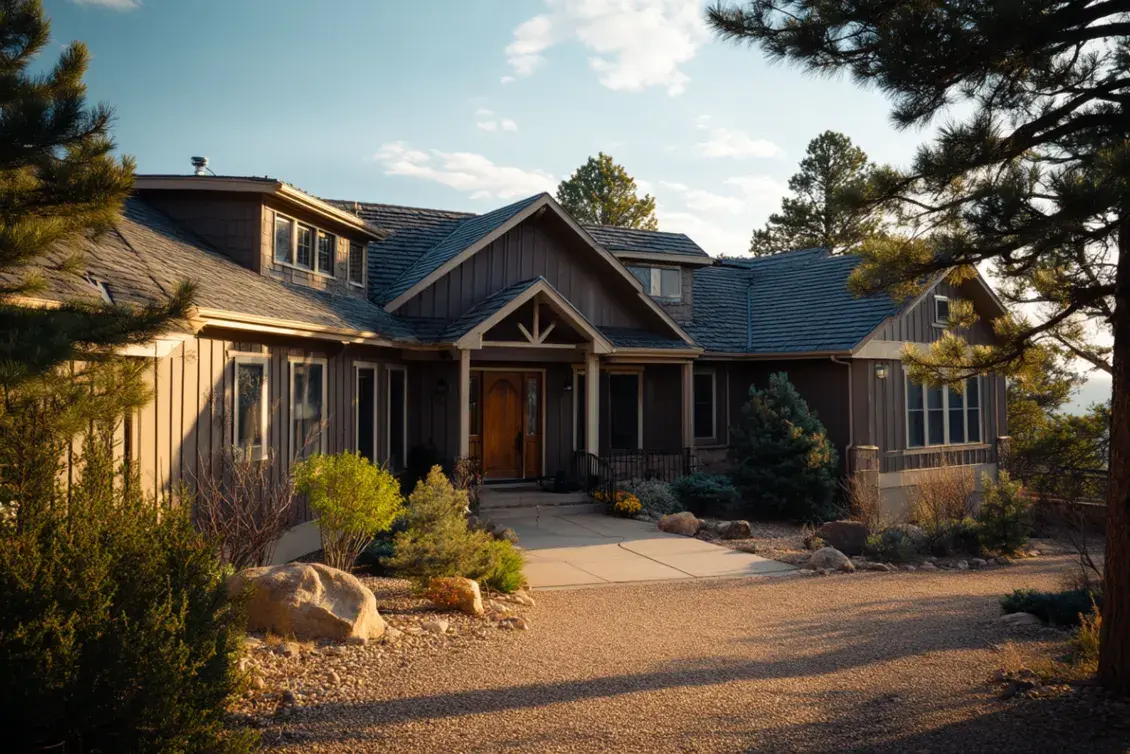
As wildfire risks grow across Colorado’s Front Range and foothills, standard exterior maintenance is no longer enough. Based right here in Golden, CO, Capitol Roofing & Solar provides expert exterior wildfire hardening across the West Denver Metro area. Sitting along the foothills corridor - from Golden and Morrison to Evergreen, Lakewood, and Arvada - local properties are positioned right where suburban neighborhoods meet native wildland.
We upgrade your home’s outer shell using fire-resistant materials, ember barriers, and ignition-resistant engineering. Whether you need to satisfy local Wildland-Urban Interface (WUI) building codes, protect your property from wind-driven embers, or maintain home insurance coverage, our team delivers complete exterior defense.
What Is Wildfire Hardening for Golden & Foothills Homes?
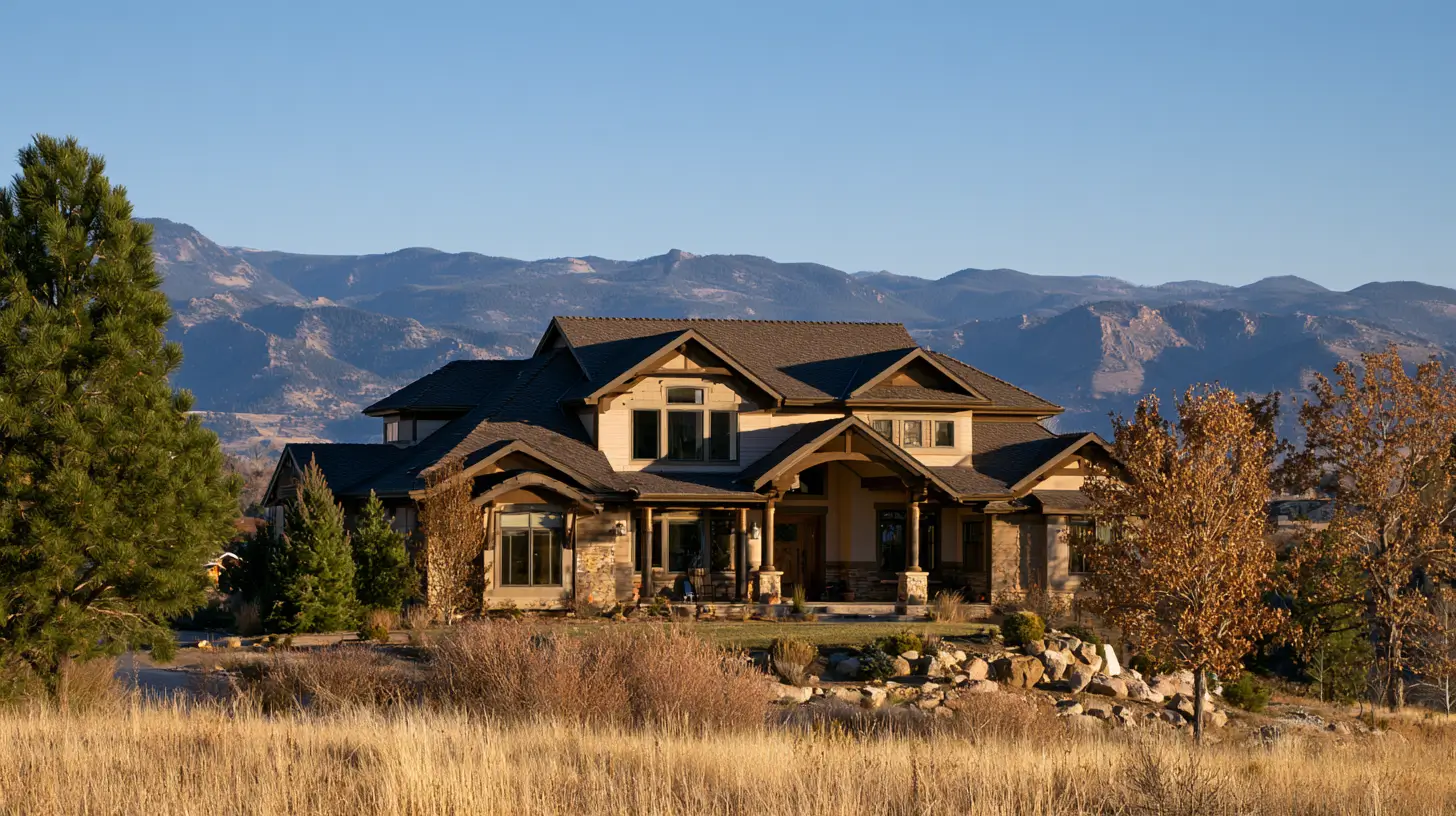
Wildfire hardening (or structural hardening) is the practice of retrofitting a home’s exterior components to prevent airborne embers or radiant heat from igniting the building.
Up to 90% of homes lost during wildfires catch fire frome airborne embers rather than direct exposure to the main flame front. Glowing embers travel miles ahead of a wildfire, blowing under roof tiles, entering attic vents, igniting pine needles in gutters, or burning combustible siding.
Protecting Your Home's Most Vulnerable Exterior Structures
Roofing Systems
Upgrading to Class A fire-rated roofing materials and sealing open gaps along roof edges.
Exterior Walls & Siding
Installing fire-resistant siding in Golden or fiber-cement siding that resists extreme heat.
Attic & Soffit Vents
Installing continuous ember-resistant screens and specialized vents.
Gutters & Downspouts
Switching to heavy-gauge metal gutters paired with debris-deflecting guards.
Decks, Eaves, & Overhangs
Boxed soffits and noncombustible sub-structures near the foundation.
Creating a continuous ignition-resistant outer shell ensures that landing embers burn out harmlessly instead of igniting your home.
Wildfire Risk in Golden and Jefferson County Foothills
Living in Golden and the surrounding West Denver Metro region offers unmatched mountain views, but it also carries serious wildfire risk. High-velocity Chinook winds blowing off the Continental Divide down through Clear Creek Canyon and local gulches sweep embers across major corridors like C-470, Highway 93, and I-70.
Why West Denver Properties Face Unique Hazards
- The Wildland-Urban Interface (WUI)
Communities in Golden, Lookout Mountain, Genesee, Morrison, Ken Caryl, and Evergreen sit directly in high risk WUI zones where dense scrub oak and ponderosa pine meet residential subdivisions.
- Severe Downslope Wind Events
West Denver experiences intense wind gusts exceeding 60 to 100 mph. These winds push embers across major roadways like C-470, Highway 93, and I-70.
- Year-Round Fire Conditions
Colorado's wildfire season now spans all 12 months. High-impact fires occur in fall, winter, and spring when wild grasses are dry and dormant.
- Heavy Pine & Scrub Oak Fuel Loads
The hillsides surrounding West Denver feature dense ponderosa pine, Douglas fir, and thick gambel oak (scrub oak), providing fuel that burns hot and generates heavy ember showers.
- Jefferson County WUI Building Codes
Local municipalities strictly enforce Wildland-Urban Interface standards. As a Golden-based contractor, we ensure your exterior upgrades satisfy local building codes and insurance requirements.
Unprotected exteriors leave homes vulnerable during wind-driven wildfire events, even when miles away from the main fire line.
Why Trust a Golden-based Contractor for Your Wildfire Defense?
Investing in structural wildfire mitigation delivers long-term security for West Denver homeowners:
1. Primary Protection When Emergency Resources Are Occupied
During major wildfire events, local emergency crews prioritize evacuations and life safety. First responders may not have the capacity to protect every residence. A hardened exterior serves as your home's primary line of defense.
2. Satisfy Insurance Requirements
Home insurance providers across Jefferson County scrutinize properties in high-risk zones. Many owners face non-renewal notices or rising premiums. Capitol Roofing & Solar supplies full project documentation, including material fire ratings and installation certificates, to help you prove your home meets current mitigation standards.
3. Durability Against Front Range Storms
The materials used for wildfire hardening, including Class 4 impact-resistant shingles, standing seam metal, and fiber cement siding, also withstand hail, freeze-thaw cycles, and extreme wind gusts common to the Denver area.
Exterior Wildfire Hardening Upgrades & Materials
We provide exterior remodeling engineered to block ember entry, resist radiant heat, and prevent structural ignition.
1. Class A Fire-Rated Roofing Assemblies
Your roof is the largest horizontal area on your structure and catches the most falling embers. We install complete Class A fire-rated roofing systems built to withstand direct heat and flame.
- Heavyweight Architectural Shingles
Multi-layer asphalt shingles rated Class A for fire resistance and Class 4 for impact resistance.
- Standing Seam Metal Roofing
Interlocking steel or aluminum panels with concealed fasteners, ideal for high-wind WUI zones.
- Synthetic Slate & Shake Tile
Synthetic tiles offering traditional wood or stone appearances without the flammability of natural wood shakes.
- Ember-Proof Ridge & Valley Protection
Heavy metal valley flashings paired with high-temperature underlayment to seal joint lines.
- Eave Closures
Custom closure strips for metal and tile roofs that prevent embers from sliding under the roof deck.
2. Noncombustible & Ignition-Resistant Siding
Combustible siding like wood lap or vinyl can melt or catch fire quickly when exposed to radiant heat or ground embers. We replace aging exterior cladding with fire-safe options:
- Fiber Cement Siding
Composed of cement, sand, and cellulose fibers. It is noncombustible and engineered to withstand heat without igniting.
- Steel & Architectural Metal Siding
Provides total fire resistance along with protection against rot, insects, and hail.
- Stucco & Masonry Veneer Upgrades
Fireproof exterior finishes that create a solid flame barrier near ground level.
- 6-Inch Ground Clearance Engineering
Proper spacing between the bottom edge of your siding and the soil to stop ground fires from contacting wall structures.
3. Ember-Resistant Attic & Soffit Vents
Standard attic vents with large mesh screens allow burning embers to enter attic spaces, igniting structures from the inside.
- Intumescent WUI-Approved Vents
Specialized vent designs that automatically expand and seal closed when exposed to extreme heat or flame.
- 1/8-Inch Stainless Steel Mesh Upgrades
Corrosion-resistant mesh covers installed over soffit, ridge, box, and gable vents to stop small embers while maintaining proper ventilation.
4. Heavy-Gauge Metal Gutters & Guards
Gutter troughs gather pine needles, dry leaves, and blown debris. When embers land in dirty vinyl or aluminum gutters, they ignite the debris right against the fascia board and roof edge.
- Heavy-Gauge Seamless Steel Gutters
This fire-resistant exterior system will not melt or detach under radiant heat.
- Metal Micro-Mesh Gutter Guards
Noncombustible mesh covers that block pine needles and leaves from entering the gutter channel.
- Drip Edge Flashing Integration
Heavy metal flashing extending under shingles into the gutter to prevent flames from reaching the roof decking.
Colorado & Jefferson County Building Regulations
Navigating building requirements across the West Denver Metro area requires technical attention. Capitol Roofing & Solar handles all permitting, code inspections, and material compliance for your project.
Colorado Wildfire Resiliency Code
State regulations requiring Class A fire-rated roofing, ember-resistant venting, and metal gutters for major roof replacements and renovations in designated WUI zones.
Jefferson County WRC Requirements
Specific structural hardening standards for reroofing, siding replacement, and exterior alterations across unincorporated Jefferson County, Golden, Morrison, and foothill areas.
Colorado HOA Legislation (HB 24-1091)
State legislation protects your right to install fire-resistant roofing, noncombustible siding, and ember-safe materials, overriding restrictive HOA rules.
Our 4-Step Wildfire Hardening Process
We make upgrading your home’s exterior clear, compliant, and straightforward:
Step 1: On-Site Exterior Risk Assessment
Our team conducts an inspection of your roof, siding, eaves, vents, and gutters to locate ember entry points and flammability risks.
Step 2: Custom Mitigation Plan & Insurance Documentation
We design a material specification plan matching your home's architecture, local WUI code requirements, and your preferences. You receive full documentation for your home insurance provider.
Step 3: Professional Installation
Our crews pull all necessary local permits across Jefferson County, Lakewood, Golden, or Arvada. We install Class A roofing, fire-rated siding, and specialized vents according to local building codes.
Step 4: Final Quality Check & Certification
We perform a post-installation inspection, verify eave-to-foundation clearances, and deliver your completed wildfire hardening project certificate.
Wildfire Hardening Service Areas Around Golden, CO
We provide complete exterior wildfire hardening services throughout these communities:
Golden & Applewood
North Table Mountain, South Table Mountain, Lookout Mountain, Genesee.
Lakewood
Green Mountain, Solterra, Belmar, Bear Creek, Applewood Villages.
Arvada & Wheat Ridge
Arvada West, Leyden Rock, Candelas, Five Parks.
Morrison & Ken Caryl
Red Rocks, Willow Springs, Ken Caryl Ranch, Trailmark.
Evergreen & Foothills Corridor
El Rancho, Kittredge, Indian Hills, Marshdale, Genesee.
Jefferson County
Unincorporated WUI zones and municipal residential districts.
FAQs About Wildfire Hardening in Golden
What is the most critical wildfire hardening upgrade for a home?
Upgrading your roof to a Class A fire-rated assembly and replacing attic vents with 1/8-inch ember-resistant mesh are the two primary priorities. Most interior home fires during wildfires occur when embers penetrate roof vents or land in dry debris along roof edges.
Is a full roof replacement required for wildfire hardening?
If your current roof is sound, you can perform targeted upgrades like installing ember-proof ridge vents, metal drip edges, noncombustible gutters, and joint sealants. If your roof is old or made of combustible wood shakes, a full Class A replacement is necessary.
Can wildfire hardening reduce home insurance rates?
In many cases, yes. Insurance providers in high-risk Colorado zones require proof of home hardening and defensible space. Upgrading to Class A roofing, fire-resistant siding, and ember-resistant vents yields official documentation that can prevent policy cancellation and lower annual rates.
How does home hardening differ from defensible space?
Home hardening involves modifying the building materials on your structure (roof, siding, vents, gutters) to resist ignition. Defensible space involves managing trees, grass, and plants in the surrounding landscape (0 to 100 feet out) to slow an approaching fire. Both components work together to protect your home.
Can an HOA block fire-resistant siding or metal roofing in Colorado?
No. Under Colorado law (House Bill 24-1091), Homeowners Associations cannot prohibit property owners from installing fire-resistant building materials, noncombustible fencing, or wildfire-hardened exterior components. HOAs may request architectural review, but they cannot enforce the use of flammable materials.
How do I confirm if my home is in a Jefferson County WUI zone?
Jefferson County, Golden, Lakewood, Morrison, and Arvada maintain online WUI mapping tools. During our initial assessment, Capitol Roofing & Solar verifies your parcel location to determine applicable building codes and WUI rules.
Are Class A fire-rated roofs more expensive than standard roofs?
Class A architectural asphalt shingles carry a similar price tag to standard asphalt shingles while providing far better fire resistance. Higher-end options like standing seam metal or synthetic tile require a larger initial investment, but they last 40 to 50 years, offer Class 4 hail resistance, and require minimal maintenance.
Schedule Your Free Wildfire Risk Assessment
Prepare your home before wildfire season peaks. Protecting your family, property, and equity starts with an exterior risk inspection.
Capitol Roofing & Solar provides Class A roofing, ignition-resistant siding, ember-proof venting, and full WUI code compliance across West Denver.
Protect Your Home with a Strong, Reliable Roof
Our expert team is ready to help with everything from new installations to repairs and maintenance. Get in touch today to schedule a free consultation.