Fire-Resistant Siding Services in the West Denver Metro Area
Capitol Roofing and Solar provides comprehensive fire-resistant siding installations designed to withstand extreme thermal radiation, direct flame exposure, and crawling ember beds.
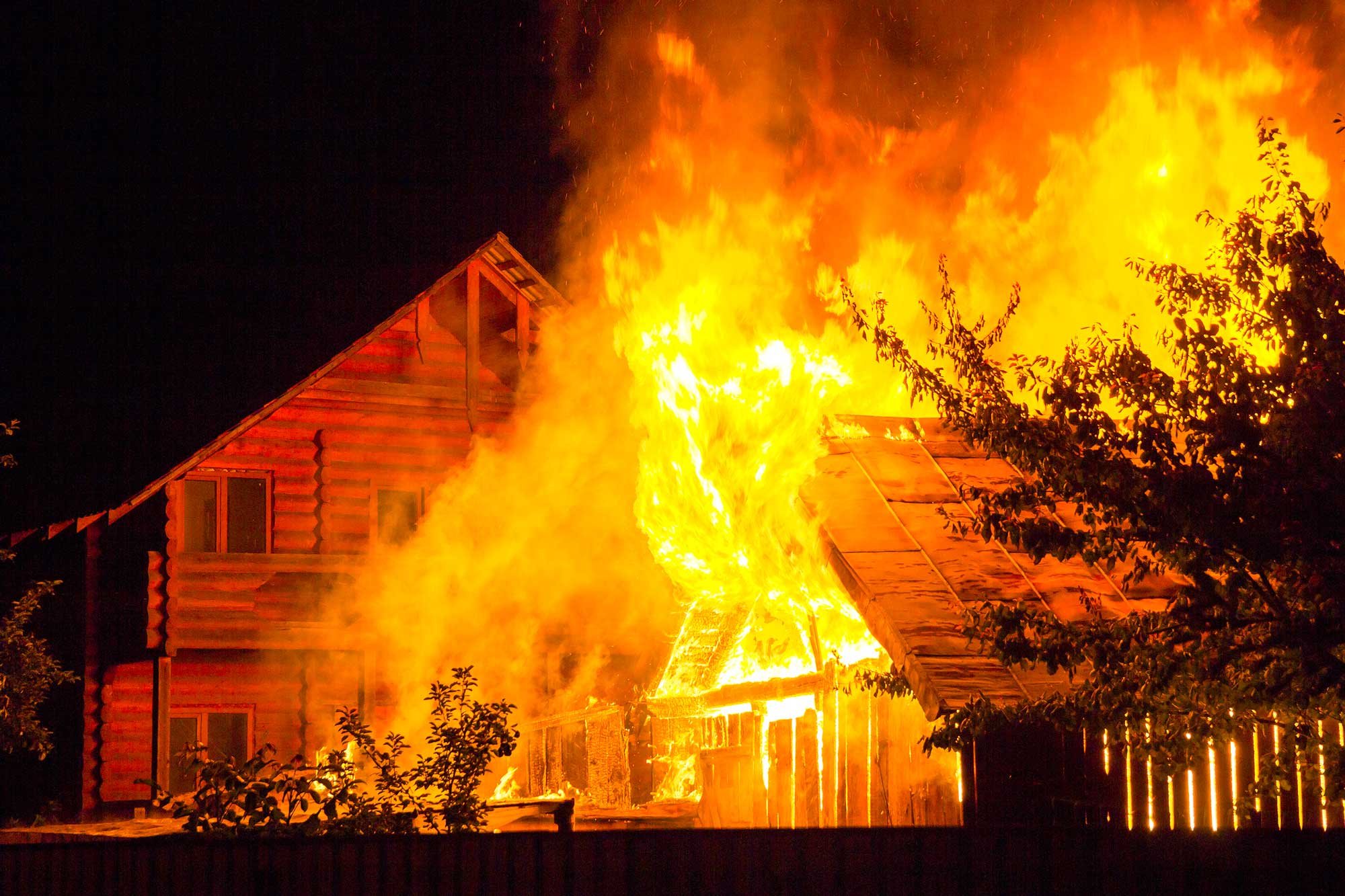
When a wildfire approaches a neighborhood along the Front Range, intense radiant heat can cause traditional siding materials to melt, warp, or ignite long before direct flames reach the home. Radiant heat from burning vegetation or a neighboring structure can easily penetrate compromised exterior walls, setting structural wall studs and interior insulation on fire. In high-wind foothill fire events, wind-driven embers can also pile up against the base of a house, igniting combustible siding at ground level.
Capitol Roofing and Solar provides comprehensive fire-resistant siding installations designed to withstand extreme thermal radiation, direct flame exposure, and crawling ember beds. Founded by Matt Moomaw, a former U.S. Forest Service wildland firefighter and San Juan Hotshot, our team brings practical fire behavior expertise to every exterior remodel across Golden, Boulder, Jefferson County, and the West Denver Metro area.
What Is Fire-Resistant Exterior Siding?
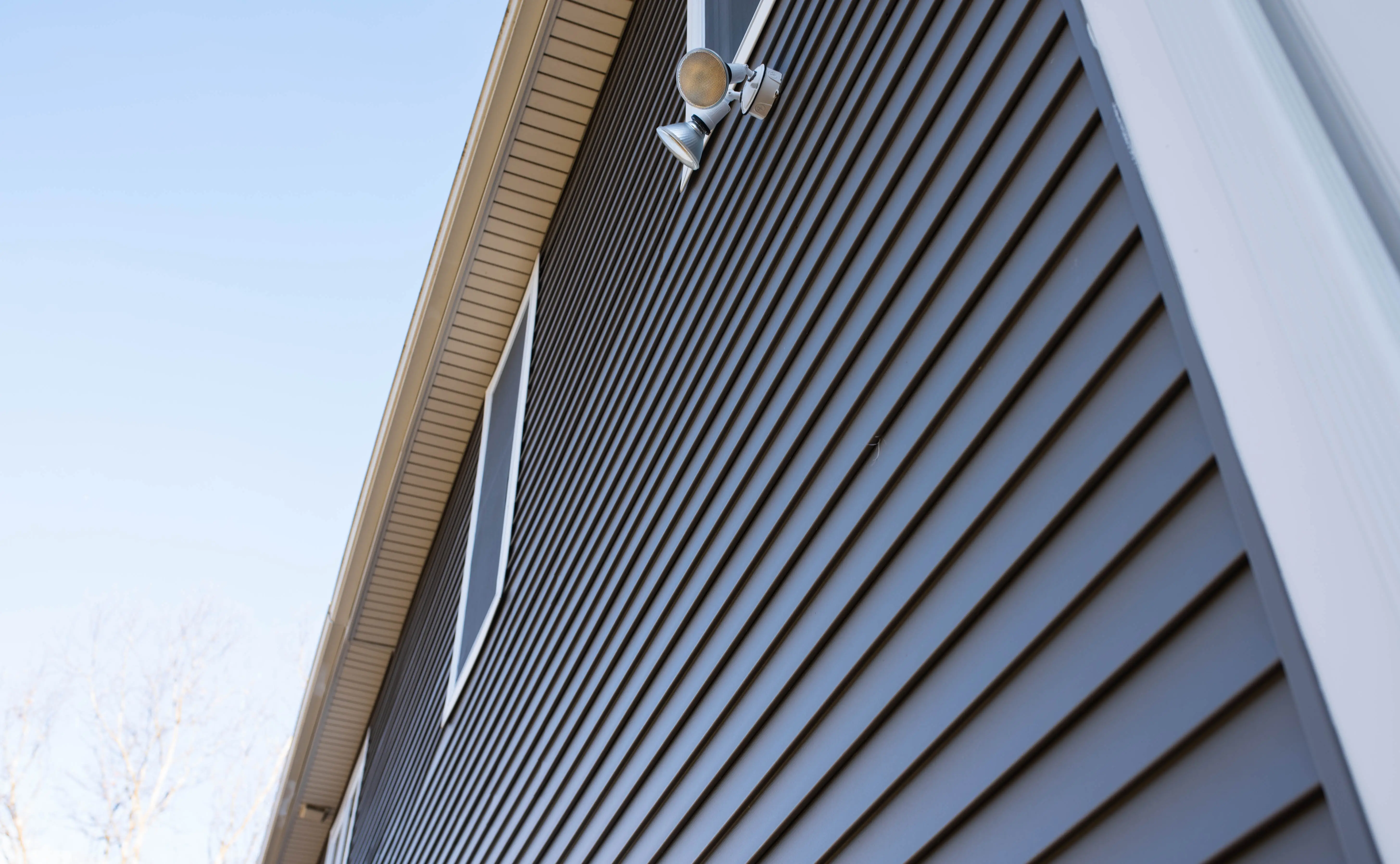
Fire-resistant siding refers to exterior wall cladding materials and wall assembly details designed to resist ignition, prevent surface flame spread, and block radiant heat transfer during a wildland fire. As experienced wildfire hardening contractors in Golden, we recommend siding systems that are specifically designed to improve a home's resilience in wildfire-prone elements.
Unlike standard vinyl siding—which melts and sags at temperatures as low as 160 degrees Fahrenheit—or natural wood siding, fire-hardened wall systems remain intact under intense heat. Installing noncombustible siding creates a continuous protective barrier around your home's structural framing, preserving the interior shell even during severe ember storms or extreme radiant heat exposure.
Fire Protection Strategies for Exterior Wall Assemblies
Class A Surface Cladding
Noncombustible materials such as fiber cement, natural stucco, masonry, or heavy-gauge metal panels that will not ignite, melt, or burn.
Ignition-Resistant Sheathing & Weather Barriers
High-temperature weather-resistive barriers and fire-rated gypsum sheathings installed directly beneath the exterior siding to form a secondary fire wall. These concealed components are essential part of fire-resistant exterior hardening, providing an additional layer of defense against radiant heat, flames, and wind-driven embers.
Noncombustible Skirting & Ground Clearance
Maintaining a vertical gap of at least 6 inches between ground level (soil, mulch, or gravel) and the bottom edge of the siding, paired with noncombustible skirting to stop crawling ember fires.
Sealed Wall Intersections & Flashing
Installing noncombustible metal flashings at all window heads, door frames, corners, and roof-to-wall joints to block embers from entering hidden wall cavities.
Noncombustible Siding Options for Golden, CO Homes
Capitol Roofing and Solar installs a full suite of Class A fire-rated siding options tailored to match the mountain, rustic, or modern architectural styles popular across Front Range and foothill communities. As part of our comprehensive home wildfire hardening services, we help homeowners choose siding materials that enhance both curb appeal and long-term fire protection.
Fiber Cement Siding
Fiber cement siding—composed of Portland cement, sand, and cellulose fibers—is the gold standard for fire-resistant residential cladding along the Front Range.
- Class A Fire Rating
Fiber cement is completely noncombustible and will not ignite when exposed to direct flame or extreme heat.
- Architectural Versatility
Available in lap siding, vertical panels, board-and-batten, and realistic wood-grain shingles (shake look) to preserve traditional mountain aesthetics without fire risks.
- Durable Defense
Highly resistant to moisture, wood-boring insects, extreme freeze-thaw cycles, and high winds, making it an ideal long-term investment for foothill properties.
Stucco and Masonry Systems
Traditional three-coat stucco, stone veneer, and masonry systems provide exceptional fire defense and thermal insulation.
- Seamless Flame Barrier
Continuous stucco coatings leave no gaps, seams, or overlapping edges where wind-driven embers can lodge or penetrate.
- High Radiant Heat Resistance
Stucco and stone absorb and reflect high levels of radiant heat, keeping underlying wood framing cool during passing fire fronts.
- Ideal for Slope Homes
Excellent cladding choice for homes built on steep, high-wind foothill slopes exposed to rising convective heat from wildland brush.
Architectural Metal Siding Panels
Steel and heavy-gauge aluminum siding systems deliver sleek, modern styling paired with absolute noncombustibility.
- Zero Flame Spread
Metal siding will not burn, charred, or fuel a fire under any conditions.
- Interlocking Panel Joints
Modern standing seam and corrugated metal panels feature concealed or tightly interlocked joints that prevent ember entry.
- Resilient Against Mountain Elements
Impervious to rot, high winds, and severe hail impact, delivering zero-maintenance performance for decades.
Crucial Wall Construction Details for Fire-Resistant Siding
Installing fire-rated siding materials is only effective when paired with meticulous installation methods at structural transitions and ground edges. Capitol Roofing and Solar applies precise construction protocols to protect every seam of your home's exterior shell.
Maintaining Proper Ground Clearance
During a wildfire, wind-blown embers settle near ground level, accumulating in flower beds, pine needle beds, and along foundation walls. If siding extends all the way to the soil, these burning ember piles can ignite the wall cladding or underlayment.
We enforce strict ground clearance standards on all installations, maintaining a minimum 6-inch vertical separation between the ground surface and the bottom of the siding. For the lower 6 inches of the wall, we install noncombustible metal trim or stone-veneered flashing to create a complete firebreak.
Fire-Rated Underlayments and Wall Sheathing
If extreme heat damages exterior wall finishes, the underlying weather barrier and wood framing become vulnerable. We install high-temperature, flame-retardant weather-resistive barriers (WRBs) and noncombustible fire-rated sheathing panels behind our siding systems. This secondary wall layer acts as an effective thermal shield, keeping structural studs intact.
Sealing Penetrations and Window Trim
Open gaps around exterior fixtures, electrical boxes, hose bibs, and window trim create direct entry pathways for wind-blown sparks.
- Noncombustible Metal Window & Door Trim
We wrap window and door openings with pre-finished metal flashing and noncombustible trim boards.
- High-Temperature Firestop Sealants
All wall penetrations are sealed using fire-rated elastomeric sealants that maintain flexibility while blocking flame and gas transmission.
- Corner and Junction Protection
Interlocking metal corner trims prevent vertical wall seams from opening up under thermal stress.
Benefits of Upgrading to Fire-Resistant Siding
Replacing vulnerable vinyl or wood siding with a Class A fire-resistant siding system offers major safety and financial rewards for Front Range property owners.
Superior Wildfire Survival
Significantly reduces the threat of home loss caused by radiant heat ignition or ember buildup against exterior walls.
Insurance Underwriting Compliance
Insurance companies in high-risk foothill zip codes increasingly require noncombustible wall cladding and proper ground clearance before issuing or renewing policies.
Exceptional Weather & Hail Resistance
Fiber cement and metal siding systems resist impact from severe Front Range hail storms far better than traditional vinyl or wood.
Reduced Exterior Maintenance
Modern fiber cement and metal panels feature advanced factory-applied finishes that resist fading, cracking, and peeling, eliminating frequent painting cycles.
Full WUI Code Compliance
Ensures your home meets all local Wildland-Urban Interface siding requirements across Boulder County, Golden, and Jefferson County.
How to Tell If Your Siding Is at Risk
Front Range homeowners should examine their home's exterior walls for key wildfire vulnerabilities:
Vinyl Siding Cladding
Vinyl siding melts and sags rapidly when exposed to heat, leaving interior wood sheathing exposed to direct ignition.
Untreated Cedar or Wood Shake Siding
Weathered wood siding acts as quick-burning fuel during ember storms and radiant heat events.
Zero Ground Clearance
Siding that extends directly into garden mulch, soil, or pine needle beds allows low-lying ember fires to spread up the wall.
Cracked or Missing Stucco
Unsealed cracks in stucco allow embers to reach underlying paper barriers and timber framing.
Unsealed Wall Penetrations
Gaps around dryer vents, hose bibs, or outdoor lighting fixtures offer open channels for sparks to enter wall cavities.
FAQs About Fire-Resistant Siding
What is the safest siding material for wildfire defense?
Fiber cement, traditional stucco, masonry, and steel siding panels are the safest siding choices for wildfire defense. All four materials carry Class A fire ratings, are completely noncombustible, and will not ignite or feed a fire.
Can fire-resistant siding be painted without losing its fire rating?
Yes. Fiber cement siding can be painted using high-quality 100 percent acrylic latex paints without reducing its Class A fire rating. The underlying fiber cement material remains completely noncombustible regardless of surface paint layers.
What is the 6-inch ground clearance rule for fire-resistant siding?
Wildland-Urban Interface (WUI) building codes require a minimum 6-inch noncombustible vertical clearance between ground level (soil, gravel, or mulch) and the bottom edge of combustible or fiber cement siding. This gap stops burning ember beds from contacting and igniting wall bases.
Do building codes in Golden and Boulder mandate fire-resistant siding?
Yes. Cities and counties across Boulder County, Golden, Arvada, Lakewood, and unincorporated Jefferson County strictly enforce WUI building codes. These rules require Class A ignition-resistant siding materials and noncombustible ground details for new builds and major siding replacements.
How long does a fire-resistant siding replacement take?
A full residential siding replacement using fiber cement or metal panels generally takes 3 to 6 days, depending on home size, wall height, and architectural complexity. Capitol Roofing and Solar manages all local permitting and building inspections throughout the process.
Protect Your Walls with Capitol Roofing and Solar
Strengthening your home's exterior walls against wildfire risk requires high-performance materials, strict building code knowledge, and meticulous installation standards. Serving Golden, Boulder, and the West Denver Metro area since 2013, Capitol Roofing and Solar delivers transparent assessments, detailed estimates, and proven craftsmanship.
Contact our local team today to schedule an on-site siding evaluation and wildfire mitigation consultation.
Protect Your Home with a Strong, Reliable Roof
Our expert team is ready to help with everything from new installations to repairs and maintenance. Get in touch today to schedule a free consultation.